Affiliate Disclosure:Kid Sitting Safe is reader-supported. When you buy through links on our site, we may earn an affiliate commission at no additional cost to you. This does not influence our reviews or recommendations — we only recommend products we genuinely believe in.
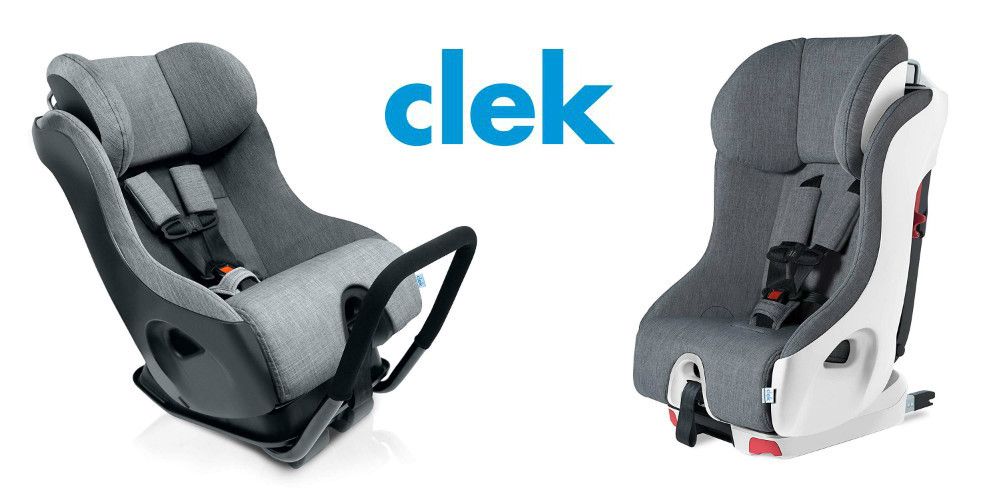
Clek occupies a unique position in the car seat market as a Canadian manufacturer focused on structural integrity and extended rear-facing. Their Foonf and Fllo models represent the premium tier of convertible car seats, with the Foonf offering maximum features and the Fllo providing a more accessible entry point.
This comparison examines the differences between these siblings and helps you decide which Clek seat fits your family’s needs.
Brand Philosophy
Engineering-First Approach
Clek prioritizes:
-
Steel and magnesium construction (not plastic)
-
Extended rear-facing (50-pound limit)
-
Chemical-free fabrics (no halogenated flame retardants)
-
Structural integrity over lightweight design
The company’s engineering philosophy diverges significantly from mainstream manufacturers. While most car seat brands optimize for convenience factors like weight and portability, Clek focuses on maximizing crash protection through materials science and structural engineering. This approach results in seats that exceed FMVSS 213 requirements in ways that aren’t immediately visible but provide meaningful safety advantages.
According to NHTSA testing protocols, all car seats sold in the United States must pass dynamic crash testing at 30 mph. Clek engineers their seats to perform well beyond these minimum standards, incorporating automotive-grade materials typically found in vehicle frames rather than child safety equipment.
The Weight Trade-Off
Clek seats are heavy by design:
-
Foonf: 38 pounds
-
Fllo: 28 pounds
Those are Clek’s rear-facing figures, with the anti-rebound bar fitted; forward-facing they drop to 33 and 25 pounds. Most of the gap between them is the Foonf’s rigid LATCH and REACT hardware.
The weight difference becomes particularly relevant for families who need to move car seats between vehicles regularly. At 38 pounds, the Foonf approaches the weight of some infant carriers with babies inside. However, this mass serves a purpose: in crash dynamics, a heavier, more rigid structure can better manage impact forces through controlled energy absorption rather than unpredictable plastic deformation.
Parents should consider their typical use case. If the seat will remain installed in one vehicle for months or years, weight becomes irrelevant. For families sharing one car seat between two vehicles, or those frequently using ride-shares or taxis, the 10-pound difference between the Foonf and Fllo may influence daily convenience significantly.
Head-to-Head Comparison
| Feature | Foonf | Fllo |
|---|---|---|
| Weight (rear-facing, with ARB) | 38 lbs | 28 lbs |
| Anti-Rebound Bar | Yes (steel) | Yes (steel) |
| Rigid LATCH | Yes (forward-facing) | No (standard LATCH) |
| Rear-Facing Limit | 50 lbs | 50 lbs |
| Forward-Facing Limit | 65 lbs | 65 lbs |
| Price Tier | Premium | Mid-Range |
| Width | 16.9 inches | 16.9 inches |
| Height (rear-facing) | 25.5-28.5 inches | 25.5-27 inches |
| Fore-aft space (rear-facing) | 33 inches | 32.5 inches (29 without ARB) |
| Recline Positions | 3 | 1 (built-in flip-out foot) |
| Crumple technology | REACT (with rigid LATCH) | EACT |
| Crypton Fabric Option | Yes | Yes |
| Jersey Knit Option | Yes | Yes |
Both seats share the same 16.9-inch width, making them equally suitable (or challenging) for three-across installations. The dimensions and weights above are from Clek’s own product pages; the Foonf’s extra weight is mostly its rigid LATCH and REACT hardware.
The Anti-Rebound Bar (Both Seats)
What It Does
Both the Foonf and the current Fllo ship with a steel anti-rebound bar (ARB) for rear-facing use. Clek says it prevents rebound in a frontal crash and rotation in a side impact, and that it helps installation by nesting against the flat part of the vehicle seat. It’s a genuine safety enhancement beyond FMVSS 213 requirements. Older Fllo listings sometimes describe the seat without one, so check what’s in the box.
The physics of rear-facing car seat crashes involves two phases: the initial forward movement during impact, followed by a rebound phase where the seat rotates backward toward the vehicle seat. The anti-rebound bar contacts the vehicle seat during this rebound phase, creating a fulcrum point that limits rotation and reduces the forces transmitted to the child’s head and neck.
European car seats use this design more often, and standards like ECE R129 (i-Size) put more weight on rebound performance.
Parents should understand that the presence or absence of an anti-rebound bar doesn’t determine whether a seat is “safe” versus “unsafe.” All seats meeting FMVSS 213 provide baseline crash protection; the ARB is an additional layer, and on these two Clek seats you get it either way.
Installation Considerations
The anti-rebound bar adds a step to installation: it must make firm contact with the vehicle seat back, which can be challenging in vehicles with steeply reclined rear seats or unusual seat contours. Some vehicles may not provide adequate surface area for proper ARB contact, potentially requiring installation without the bar or selecting a different vehicle seating position.
Installation Systems
Clek Foonf: Rigid LATCH
Forward-facing, rigid LATCH connectors click directly into vehicle anchors without straps. Rear-facing, Clek’s manual has you use the Foonf’s flexible LATCH belt or the vehicle seat belt instead. Forward-facing, the rigid arms provide:
-
Easier installation
-
More consistent tightness
-
Less movement in crash
Rigid LATCH represents a significant installation advantage, particularly for caregivers who install and remove car seats regularly. The system uses metal arms with connectors that engage vehicle LATCH anchors with an audible click, which is designed to prevent the most common installation error: inadequate tightness.
NHTSA’s National Child Restraint Use Special Study put the combined misuse rate for car seats and boosters at 46%, with a loose installation the most common misuse on forward-facing seats. Rigid LATCH is built to address that, because the metal arms don’t have the slack a webbing strap can.
The Foonf’s rigid LATCH also integrates with the REACT safety system, allowing the connectors to function as part of the energy-absorbing crash management structure. During a collision, the rigid LATCH can deform in controlled ways that dissipate crash forces, providing protection beyond simple attachment.
Clek Fllo: Standard LATCH
The Fllo uses conventional flexible LATCH straps, which are still secure but require more effort to tighten properly.
Flexible LATCH straps work well when installed correctly, but they demand more attention to detail. The installer must pull the strap tight while pushing down on the car seat to compress the vehicle seat cushion, then verify that the seat moves less than one inch side-to-side or front-to-back at the belt path, the standard 1-inch test.
The Fllo’s flexible LATCH still requires the physical technique and verification process that rigid LATCH largely eliminates.
Seatbelt Installation
Both the Foonf and Fllo can be installed using the vehicle seatbelt instead of LATCH, and both need it sooner than NHTSA’s generic 65 lb combined rule for lower anchors would suggest, because Clek sets its own limits by child weight. Per Clek’s owner’s manuals, the Foonf’s lower anchors take a child up to 25 lb rear-facing and 35 lb forward-facing; forward-facing only, rigid LATCH, vehicle belt and top tether used together run to 65 lb. The Fllo’s lower anchors take a child up to 35 lb rear-facing and 40 lb forward-facing, and Clek doesn’t allow LATCH and the seat belt together on the Fllo. Your vehicle manual may set a lower limit, and the lower figure wins. The seatbelt installation process is identical between both models, using a belt lock-off mechanism to prevent the belt from loosening.
Learn the seatbelt installation too, whichever seat you choose: it works in any seating position with a lockable belt, whereas lower anchors often aren’t available in the center.
Safety Construction
Steel and Magnesium Frame
Both seats feature:
-
Steel substructure for strength
-
Magnesium components for weight optimization
-
Energy-absorbing foam layers
-
Steel anti-rebound bar (both seats)
Materials are what differentiate Clek from the majority of convertible car seats on the market. Most mainstream seats use injection-molded plastic shells, which meet safety requirements but behave differently under crash loads.
Steel provides exceptional tensile strength and ductility - the ability to deform gradually while absorbing energy. This characteristic allows the seat structure to manage crash forces through controlled deformation rather than brittle failure. Magnesium, while less strong than steel, offers an excellent strength-to-weight ratio and is used in components where weight reduction matters without compromising structural requirements.
It’s an approach borrowed from aerospace and automotive engineering, where different materials are selected for specific performance requirements in each component. Load-bearing structures use steel. The anti-rebound bar uses steel for rigidity. Components under less stress use magnesium or aluminium alloys to manage overall weight.
REACT Safety System
Foonf includes the REACT (Rigid-LATCH Energy Absorbing Crumple Technology) system, which Clek says absorbs crash forces through controlled deformation. The Fllo has a related system Clek calls EACT (Energy Absorbing Crumple Technology), without the rigid LATCH.
The REACT system represents Clek’s most sophisticated safety innovation, drawing inspiration from automotive crumple zone design. In vehicle engineering, crumple zones are sections of the car structure designed to deform in controlled ways during crashes, absorbing kinetic energy before it reaches the passenger compartment.
Clek applies this principle to the Foonf’s attachment system. The rigid LATCH connectors and surrounding structure are engineered to deform at specific force thresholds, dissipating crash energy through material deformation rather than transferring all forces directly to the child. This approach can reduce peak acceleration forces, which translates to lower forces on the child’s body during the critical milliseconds of a crash.
Clek describes REACT as a forward-facing system, working with the rigid LATCH to reduce the forces transferred to a child in a frontal collision. Clek doesn’t publish the test figures behind it, so treat it as the maker’s engineering claim. Rear-facing, the core safety advantage still comes from the shell spreading crash forces across the whole of the child’s back.
Side Impact Protection
Both the Foonf and Fllo incorporate side impact protection through deep sidewalls that extend beyond the child’s head and torso. These sidewalls are lined with energy-absorbing foam that compresses during side-impact collisions, managing intrusion forces and reducing lateral head excursion.
Side impact protection is a meaningful consideration because a door offers far less crush space between the impact and the child than the front or rear of a car. FMVSS 213 has no side-impact test; NHTSA has adopted a separate standard, FMVSS 213a, but its compliance date has been pushed back.
The Fllo and Foonf use similar side impact protection designs, so this feature doesn’t separate the two models.
Extended Rear-Facing
50-Pound Capacity
Both seats accommodate rear-facing to 50 pounds, allowing many children to remain rear-facing until age 4 or beyond.
The AAP recommends keeping children rear-facing until they reach the maximum height or weight limit allowed by their car seat, typically between ages 2 and 4. Learn more about why extended rear-facing matters for child safety. The physical case for it is how a rear-facing shell spreads crash load across the whole back and head rather than concentrating it on the harness points. Be wary of rear-facing-versus-forward-facing percentages in circulation; the most quoted came from a 2007 paper the journal retracted in 2018.
A 50-pound rear-facing limit exceeds the capacity of many convertible car seats, which typically max out at 40-45 pounds. This extended capacity means most children can remain rear-facing until they outgrow the seat by height (when their head reaches within one inch of the top of the shell), which often occurs before reaching the weight limit.
For reference, 50 pounds is well above what a typical 4-year-old weighs, so height usually ends rear-facing first. Taller, leaner children may outgrow the seat by height before reaching 40 pounds, while shorter, stockier children might reach the weight limit first.
Space Considerations
The tall shells and anti-rebound bars on both seats require significant front-to-back space. Verify fit in your vehicle before purchasing.
Clek lists 33 inches of fore-aft space for the Foonf installed rear-facing. That challenges installation in compact sedans, many mid-size cars, and even some larger vehicles when a tall driver or passenger needs the front seat.
The Fllo needs 32.5 inches with its anti-rebound bar (29 without), so it’s barely more manageable. Parents should measure their vehicle’s rear seat depth and account for the need to move front seats forward from their normal positions.
Some families solve space challenges by:
-
Installing the car seat in the center position (if supported by the seat and vehicle)
-
Positioning shorter adults or older children in the front seat during travel
-
Accepting reduced front seat legroom as a temporary trade-off for extended rear-facing safety
-
Reserving rear-facing for one vehicle while using forward-facing in others (though this reduces the safety benefit)
Transitioning to Forward-Facing
When children eventually outgrow rear-facing by height or weight, both Clek seats convert to forward-facing using the same five-point harness. The forward-facing configuration accommodates children from 26.5 to 65 pounds and 30 to 49 inches tall, providing extended harnessed use compared to seats that max out at 50-55 pounds.
AAP guidance is to keep children in a harnessed car seat (rather than transitioning to a booster) until they reach the maximum harness weight limit. The five-point harness provides better crash protection than a booster seat because it maintains the child’s position without relying on seatbelt fit, which can be problematic for children under approximately age 5-6.
Chemical-Free Fabrics
Flame Retardant Approach
Clek uses fabrics that meet flammability standards without brominated or chlorinated flame retardants - chemicals some parents prefer to avoid.
Federal Motor Vehicle Safety Standard 302 requires car seat fabrics to resist flame spread at specific rates when exposed to a small flame source. Historically, manufacturers achieved compliance by treating fabrics with halogenated flame retardants (HFRs), particularly brominated and chlorinated compounds.
Research has raised questions about potential health effects from HFR exposure, particularly for young children who spend extended time in car seats and may have hand-to-mouth contact with fabrics. While the science remains debated and FMVSS 302 compliance requires some flame retardant approach, Clek has developed fabric treatments and materials that meet flammability standards without halogenated chemicals.
This approach involves:
-
Using naturally less flammable fiber blends
-
Applying non-halogenated flame retardant treatments
-
Engineering fabric constructions that resist flame spread through physical properties rather than chemical additives
Parents seeking to minimize chemical exposure appreciate this approach, though it’s important to note that all car seats meeting FMVSS 302 are considered safe for their intended use by regulatory standards.
Fabric Options
Both seats offer:
-
Crypton Super Fabrics (stain/moisture resistant)
-
Jersey knit (softer, more breathable)
Crypton Super Fabrics are Clek’s stain- and moisture-resistant option, pitched as keeping spilled milk, juice, or other fluids from soaking into the padding.
Crypton fabrics can be cleaned with soap and water, according to Clek.
The practical benefit shows during the toddler and preschool years, when snacks, drinks, and occasional toileting accidents are common car occurrences.
Jersey knit offers a softer, more breathable alternative that some parents prefer for comfort, particularly in warm climates. The knit construction allows better air circulation than tightly woven fabrics, reducing heat buildup during summer months. However, jersey knit lacks Crypton’s stain resistance, requiring more attention to spill prevention and cleanup.
The choice between Crypton and jersey knit largely comes down to priorities: easy maintenance versus maximum comfort and breathability. Both options are available at the same price point, and fabric covers for Clek seats can be purchased separately, allowing families to maintain a backup or switch between fabric types seasonally.
Color Options and Maintenance
Clek offers both seats in multiple color options ranging from neutral grays and blacks to bolder colors like blue and green. Darker colors naturally hide staining better than light colors, though Crypton fabrics resist staining regardless of color choice.
The fabric covers are removable and machine washable; Clek’s current Ziip covers zip on and off. Check the care label for drying instructions.
Installation in Different Vehicles
Compact and Mid-Size Sedans
Compact sedans like the Honda Civic, Toyota Corolla, or Mazda3 present space challenges for both Clek seats, particularly when installed rear-facing. The Fllo’s slightly smaller footprint makes it marginally easier to fit, but both seats may require front passengers to accept reduced legroom.
Mid-size sedans (Honda Accord, Toyota Camry, Subaru Legacy) typically accommodate either seat more comfortably, particularly when installed in the outboard rear positions rather than the center. However, families with tall drivers or front passengers should still verify fit before purchasing.
SUVs and Minivans
Larger vehicles generally provide adequate space for either Clek seat installed rear-facing without compromising front seat positions. Three-row SUVs and minivans offer additional installation flexibility, allowing the car seat in the second-row captain’s chairs (if equipped) or bench seats.
One consideration in larger vehicles: the higher seating position can make lifting children in and out of the seat more challenging given the Clek seats’ tall shells and the additional weight of the Foonf. Parents of younger toddlers or those with back problems should consider whether frequently lifting a 25-35 pound child into and out of an elevated seat will remain manageable over the seat’s multi-year lifespan.
Trucks and Extended Cab Vehicles
Full-size pickup trucks with rear seats (crew cabs) typically accommodate Clek seats, though space varies by manufacturer. Extended cab configurations with smaller, fold-down rear seats may not provide adequate space for rear-facing installation or sufficient seat depth for proper anti-rebound bar contact.
Always verify car seat compatibility with your specific vehicle before purchasing, particularly for non-traditional vehicle types. Clek provides a vehicle fit guide on their website, and many retailers allow returns if the seat doesn’t fit properly (verify return policies before purchasing).
Three-Across Installations
Width Considerations
At 16.9 inches wide, Clek seats can fit three across in larger vehicles. Check your vehicle’s rear seat width before attempting.
Three-across installations require vehicles with rear seat widths of at least 51 inches (ideally 52-53 inches for easier installation and to avoid interference between adjacent seats). Common vehicles that accommodate three Clek seats across include:
-
Full-size SUVs (Chevrolet Tahoe, Ford Expedition, Toyota Sequoia)
-
Minivans (Honda Odyssey, Toyota Sienna, Chrysler Pacifica)
Mid-size sedans and SUVs may accommodate three car seats across if at least one seat is narrower than the Clek models (for example, pairing two Clek seats with a narrower infant seat or booster).
Installation Challenges
Three-across installations present several practical challenges beyond simple width:
-
Buckle access: The buckle of the middle seat may be difficult to reach and fasten with car seats on either side
-
Harness adjustment: Accessing harness adjustment straps and mechanisms can be difficult with adjacent seats
-
LATCH anchor spacing: Vehicle LATCH anchors are spaced at specific intervals that may not align well with three car seats
-
Installation verification: Checking installation tightness and harness fit is more difficult with limited access space
Many parents find that three-across installations work better with at least one seat installed using the seatbelt rather than LATCH, providing more flexibility in positioning. The center seat is often installed using the seatbelt since LATCH anchors aren’t always available in the center position.
Longevity and Value Proposition
Expected Lifespan
Clek seats have a 9-year lifespan from the date of manufacture (verify the expiration date stamped on your specific seat). This extended lifespan exceeds many competing seats that expire after 6-7 years, providing additional value particularly for families planning multiple children.
Clek sets that 9-year lifespan, and it still applies to the metal-framed seats because the shell, foam, webbing and fabric all age.
Multi-Child Use
The structural durability makes Clek seats excellent candidates for multi-child use. Families planning 2-3 children spaced 2-3 years apart can realistically use one Clek seat through multiple children’s rear-facing and forward-facing years, assuming the seat hasn’t been in a crash (car seats must be replaced after moderate or severe crashes, per NHTSA guidelines).
The removable, washable fabric covers make it easier to refresh the seat between children. However, parents should carefully inspect any used car seat - even one passed between their own children - for signs of stress, damage, or missing parts before reusing it.
Cost-Per-Year Analysis
When evaluating the premium price tag, consider the cost-per-year-of-use:
-
Foonf: Premium pricing spread over 9 years yields a moderate per-year cost
-
Fllo: Mid-range pricing spread over 9 years yields a lower per-year cost
This calculation assumes single-child use through the full lifespan. For families using the seat with multiple children, the per-child cost becomes even more favorable. A Foonf used by three children over 9 years has a remarkably low per-child cost - comparable to some budget car seats that serve only one child with shorter lifespans.
Decision Framework
Choose the Clek Foonf If:
-
Maximum safety features are your top priority
-
Budget allows for the premium
-
The seat will stay in one vehicle (weight irrelevant)
-
You want rigid LATCH installation
-
You prefer the REACT energy-absorbing system
-
Installation space isn’t constrained in your vehicle
-
You want every available safety feature beyond minimum standards
Choose the Clek Fllo If:
-
You want Clek quality at lower cost
-
You move the seat between vehicles (lighter weight)
-
Standard LATCH installation is acceptable
-
You want lower profile for easier loading
-
Your vehicle has limited rear seat space
-
You prefer a lighter seat for easier handling during installation
-
The price savings matters to your budget
When Either Seat Works Equally Well
Many families find both seats meet their needs adequately, making the decision somewhat arbitrary. If your situation includes:
-
Adequate budget for either option
-
Sufficient vehicle space for either seat
-
One primary vehicle where the seat will remain installed
-
Comfort with either installation system
Then the decision might come down to less tangible factors: whether rigid LATCH and REACT justify the extra cost and weight of the Foonf, or whether the Fllo’s lower price feels like the smarter choice.
There’s no wrong answer: both seats meet the same federal standard, and both add engineering beyond it.
Alternatives to Consider
Within the Clek Lineup
Clek revises the Foonf and Fllo from time to time, so check the model year and the in-box contents on any listing before you buy.
From Other Manufacturers
Families attracted to Clek’s extended rear-facing and structural design but concerned about price or weight should also research:
-
Britax One4Life ClickTight: 50-pound rear-facing with ClickTight belt installation and a steel frame, in an all-in-one that adds a booster stage
-
Diono Radian series: Steel-reinforced seats with 50-pound rear-facing and narrow width for three-across
-
Graco Extend2Fit series: Budget-friendly extended rear-facing (50 pounds) with extension panel for legroom
Each alternative involves trade-offs compared to Clek seats. The Britax is heavier than the Fllo but cheaper than the Foonf. Diono seats are comparably heavy but less expensive. Graco seats cost significantly less but use plastic shells and don’t have rigid LATCH.
Professional Installation and Inspection
Regardless of which Clek seat you choose, consider having the installation inspected by a certified Child Passenger Safety Technician (CPST). These professionals have specialized training in car seat installation and can verify that your seat is installed correctly and your child’s harness is properly adjusted.
NHTSA maintains a database of inspection stations and CPSTs at https://www.nhtsa.gov/vehicle-safety/car-seats-and-booster-seats. Many inspection stations offer free services, though some charge a nominal fee to support the program.
Common installation errors that CPSTs identify include:
-
Insufficient tightness (the seat moves more than one inch at the belt path)
-
Incorrect recline angle for rear-facing (too upright or too reclined)
-
Harness straps at wrong height for the child
-
Chest clip positioned incorrectly (should be at armpit level)
-
Harness straps twisted or not routed correctly through the seat
Even experienced parents benefit from professional inspection, as car seat designs and vehicle features vary enough that installation expertise with one seat doesn’t automatically transfer to different models.
Maintenance and Care
Routine Cleaning
Both Clek seats require minimal routine maintenance:
-
Wipe down the shell and harness buckle weekly with a damp cloth
-
Vacuum fabric covers to remove crumbs and debris
-
Remove and wash fabric covers every 2-3 months (or as needed after spills)
-
Inspect harness straps for fraying, damage, or tangling
Avoid submerging any harness components in water or putting them in the washing machine, as this can damage the webbing’s structural integrity.
Long-Term Maintenance
Over the seat’s multi-year lifespan:
-
Check the harness strap tightness mechanism periodically to ensure smooth operation
-
Verify that rigid LATCH connectors (Foonf) still click securely into place
-
Inspect the anti-rebound bar for any signs of stress or damage
-
Verify that all harness hardware remains securely attached
-
Check that the recline mechanism still locks positively in each position
Clek offers replacement parts for worn or damaged components, allowing you to maintain the seat rather than replacing it entirely for minor issues. Contact Clek customer service for part availability and ordering.
Storage Between Children
If storing the seat between children, clean it thoroughly and store it in a climate-controlled environment away from UV exposure. Cover the seat with a sheet or breathable fabric to protect it from dust while allowing air circulation. Avoid storing in hot attics, damp basements, or outdoor sheds where temperature extremes and humidity could affect the fabric and mechanisms.
Further Reading
-
Britax Boulevard vs Marathon vs Advocate: Which Is Right for You?
-
Britax Frontier Comparison: G1.1 vs 90 vs 85 vs Pioneer (Updated for 2026)
Conclusion
The Clek Foonf and Fllo share the same width, the same 50-pound rear-facing limit, a steel anti-rebound bar and flame-retardant-free fabrics. The Foonf adds rigid LATCH and the REACT crumple system at a higher price and about 10 pounds more weight. If the seat stays in one car and you want the easiest lower-anchor install, choose the Foonf; if you want most of the same protection for less money and less to lift, the Fllo is the better buy.
Head-to-Head Comparison
Detailed Reviews
Clek Foonf
Best safety featuresMaximum safety features for parents prioritizing protection.
What We Like
- Anti-rebound bar reduces rotation in rear-facing collisions
- Rigid LATCH connectors for forward-facing installs
- Steel and magnesium construction offers superior crash protection
- REACT safety system absorbs impact energy
What We Don't
- Highest price point in convertible category
- Very heavy at 38 pounds makes vehicle transfers impractical
Clek Fllo
Best Clek valueExcellent safety and value in the Clek lineup.
What We Like
- Narrow 16.9-inch width enables 3-across installation
- 50-pound rear-facing limit supports extended rear-facing
- Low-profile design for easier loading and unloading
- Steel-reinforced frame provides enhanced side-impact protection
What We Don't
- Premium pricing compared to standard convertibles
- Heavy at 28 pounds with the anti-rebound bar, which makes transfers between vehicles difficult
- No adjustable recline; the rear-facing angle is set with a flip-out foot and seat position
Sources & Research
Continue Reading
Explore more car seat comparisons content or browse our other categories.
Frequently Asked Questions
- What is the main difference between Clek Foonf and Fllo?
- The installation hardware and the forward-facing crash technology. Both include a steel anti-rebound bar for rear-facing use. The Foonf adds rigid LATCH connectors and Clek's REACT crumple system; the Fllo uses flexible LATCH and a related system Clek calls EACT. On Clek's own figures the Foonf weighs 38 pounds rear-facing (33 forward-facing) against the Fllo's 28 (25 forward-facing), and the Foonf is priced higher. Both are 16.9 inches wide with a 50-pound rear-facing limit and flame-retardant-free fabrics. Choose the Foonf for rigid LATCH and REACT, the Fllo for most of the same protection at a lower price and weight.
- Does the Foonf's rigid LATCH justify the extra cost and weight?
- Both seats come with a steel anti-rebound bar, so that isn't the difference. What the extra money and 10 pounds buy is rigid LATCH, which takes most of the slack out of a forward-facing lower anchor install, and REACT, Clek's crumple system for forward-facing crashes. Both seats meet FMVSS 213 either way. For a seat that stays in one car the weight matters little; if you move it between vehicles often, the lighter Fllo is easier to live with.
- Why are Clek seats so heavy?
- Clek seats use steel and magnesium substructures rather than the plastic used in most car seats. This provides superior structural integrity and crash protection but adds significant weight. The Foonf at 38 pounds and Fllo at 28 pounds are among the heaviest convertible seats on the market. For parents who install a seat and leave it in one vehicle, the weight is irrelevant to daily use. However, if you need to move seats between vehicles frequently or travel by air, the weight is a significant drawback. Clek prioritizes in-vehicle safety over portability - their philosophy is that a heavier, stronger seat provides better protection in a crash.
- Do Clek seats fit three across in a vehicle?
- Clek seats are 16.9 inches wide, making them reasonably narrow for premium convertible seats and about as narrow as the Diono Radian (17 inches). Clek seats can fit three across in larger vehicles like minivans, full-size SUVs, and some mid-size cars with wide rear seats. However, the 50-pound rear-facing limit means many children will use these seats rear-facing for 3-4 years, requiring more front-to-back space. Measure your vehicle's rear seat width and depth before attempting a three-across configuration. Clek offers a three-across guide on their website for specific vehicle recommendations.
- Do Clek seats justify the premium price?
- Clek seats are premium-priced, above most mid-range options and at or above other premium brands like Britax or Nuna. You get: steel/magnesium construction (vs. plastic), extended rear-facing to 50 pounds, a steel anti-rebound bar, and premium fabrics free of brominated and chlorinated flame retardants. Whether this justifies the price depends on your values. If you prioritize maximum structural integrity, extended rear-facing, and chemical-free materials, Clek delivers. If you want easier installation (ClickTight), lighter weight, or lower cost, other premium brands may better serve your needs. Clek is for parents who want the strongest possible construction and don't mind paying for it.
Written By
Kid Sitting Safe
Our team researches car seat safety standards, crash test data, and real-world usability to help parents make the safest choice.
Related Articles
Chicco KeyFit vs Graco SnugRide: Which Infant Car Seat Is Best?
We compare the Chicco KeyFit and Graco SnugRide infant car seats side by side. Find out which is best for your budget, vehicle, and lifestyle.

Evenflo Embrace LX Review: Budget-Friendly Infant Car Seat
Review of the Evenflo Embrace LX infant car seat, a model Evenflo has retired. Safety features, installation, comfort, and what it means for families still using one.
Nuna vs UPPAbaby: Luxury Infant Car Seat Comparison
Compare Nuna PIPA vs UPPAbaby Mesa infant car seats on luxury features, safety, stroller compatibility, and value to help you choose the best premium infant seat.