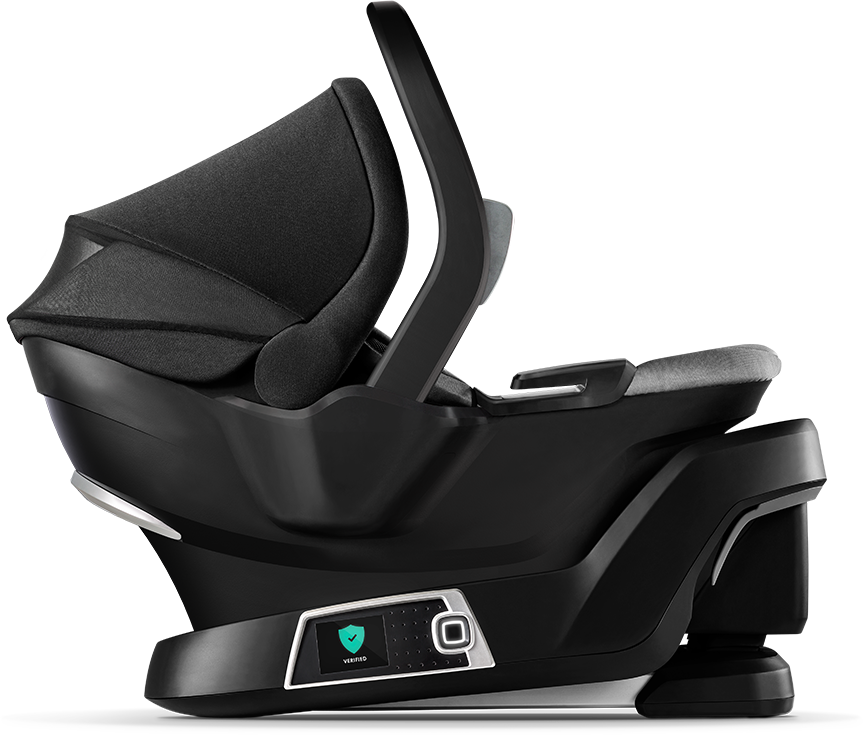
Affiliate Disclosure:Kid Sitting Safe is reader-supported. When you buy through links on our site, we may earn an affiliate commission at no additional cost to you. This does not influence our reviews or recommendations — we only recommend products we genuinely believe in.
Car seat technology has evolved dramatically beyond basic plastic shells and fabric harnesses. Today’s innovative seats incorporate smart sensors, app connectivity, advanced materials, and new safety hardware such as load legs. Whether you’re choosing from the best convertible car seats or exploring infant carriers, this guide explores the cutting-edge technologies transforming child passenger safety in 2024-2026.
The Evolution of Car Seat Technology
Car seat innovation has come a long way from rudimentary restraints. Early child seats were simple boosters to help children see out of the window, offering little crash protection. The Federal Motor Vehicle Safety Standard 213 set baseline requirements for child restraints and was later strengthened with dynamic crash testing. NHTSA’s own field study found misuse in 46% of car seats and boosters, and that finding is what drives installation-focused innovation. In the US, LATCH became required in new vehicles from September 2002, matching Europe’s ISOFIX, and energy-absorbing foams and side-impact features followed. Today the newest step is digital technology meeting physical safety engineering, with seats that monitor and alert.
Smart Sensor Technology
SensorSafe Systems
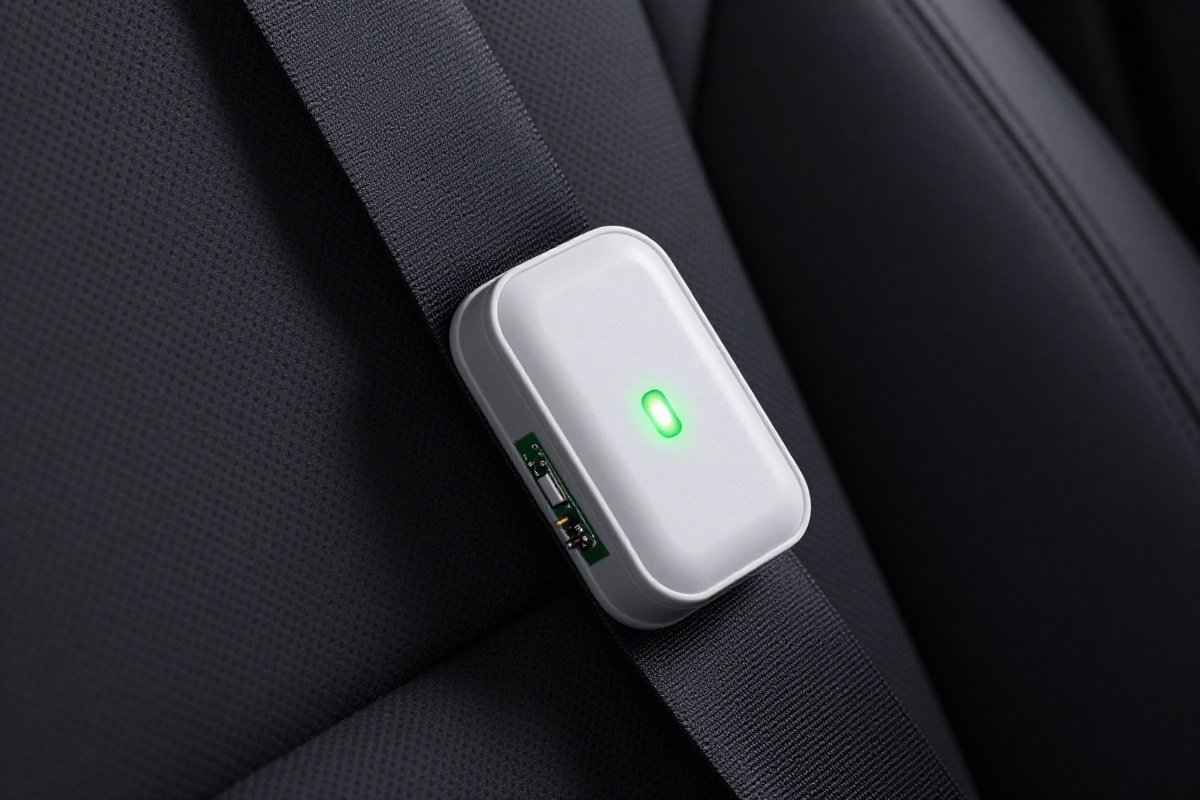
How It Works: SensorSafe technology (Evenflo, Cybex) uses Bluetooth-enabled chest clips that connect to smartphones, providing real-time monitoring and alerts.
Key Features:
- Unbuckling alerts: Immediate notification if chest clip opens during travel
- Temperature monitoring: Alerts for dangerous hot/cold conditions
- Time-in-seat reminders: Prevents extended sitting without breaks
- Walk-away prevention: Alerts if parent leaves vehicle while child buckled
Parent Experience: The app provides peace of mind but can feel intrusive with frequent notifications. Most systems allow sensitivity adjustments.
Temperature and Environment Monitoring
Growing Concern: Hot car deaths remain a tragic reality - technology offers prevention through:
- Interior temperature sensors
- External heat index calculations
- Automatic window ventilation (in development)
- Emergency service notifications
Smart Technology Standards and Testing
Every car seat, smart or not, has to meet FMVSS 213 for crash performance. We couldn’t find a federal performance standard for the electronic alert features themselves, so how reliably a chest-clip sensor or app alert works is the manufacturer’s claim. Treat an alert as a backup to your own checks, never a replacement for them.
Installation Innovations
ClickTight Technology
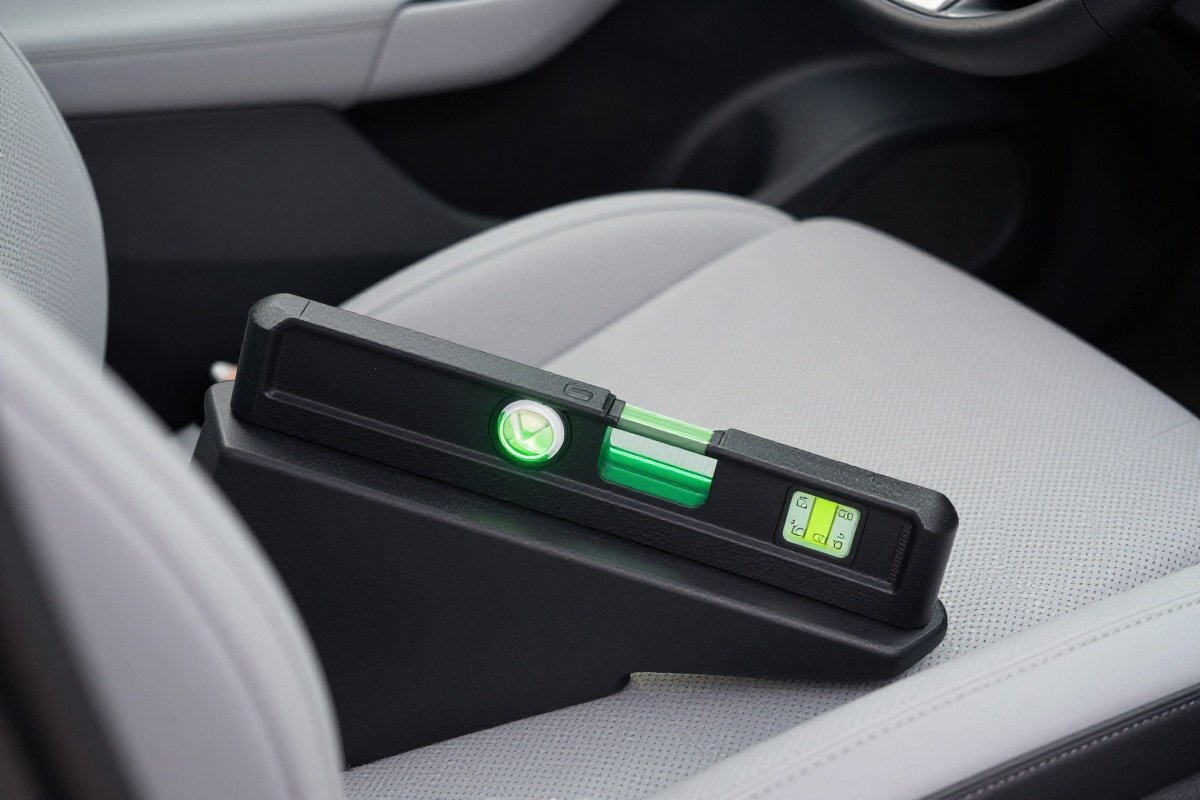
Britax Innovation: Revolutionary tensioning system eliminates installation guesswork:
How It Works:
- Open access panel
- Route seat belt through path
- Close panel - automatic tensioning
- Visual confirmation of correct installation
Advantages:
- Minimal strength required
- Works with any vehicle seat belt
- No LATCH weight limits
Rigid LATCH Connectors
Premium Connection: Solid metal rods instead of fabric straps:
Benefits:
- More stable connection
- Easier attachment/detachment
- No strap twisting
- Audible click confirmation
Seats With This Feature:
- Nuna Pipa series
- Clek Liing
- Cybex Aton
- Peg Perego Primo Viaggio
Visual Installation Aids
Making It Obvious:
- Bubble levels: Show proper recline angle
- Color-coded paths: Indicate correct belt routing
- Click indicators: Audible confirmation of connection
- Tension indicators: Show when tight enough
Data Privacy in Connected Car Seats
The spread of app-connected car seats raises important privacy considerations parents must understand. Smart seats can collect usage data including trip frequency, duration, temperature conditions, and potentially location information when paired with smartphone GPS. Manufacturers handle this differently, some storing information locally and others using cloud services. Review the privacy policy to understand what data gets collected, how long it’s retained, and whether third parties access it, and check whether you can request deletion. Understanding these privacy implications helps parents make informed decisions about whether connected features justify data collection concerns.
Advanced Materials
Impact-Absorbing Foams

Next-Generation Protection:
- EPP (Expanded Polypropylene): Superior energy absorption
- Memory foam: Custom fit and comfort
- Aerated designs: Reduced weight, maintained protection
Temperature Regulation
Climate Control:
- Phase-change materials: Maintain comfortable temperature
- Ventilated fabrics: Airflow channels prevent overheating
- Moisture-wicking: Keep child dry and comfortable
Sustainable Materials
Eco-Friendly Options:
- Recycled plastics: Reduced environmental impact
- Organic fabrics: Natural, chemical-free options
- Bio-based foams: Plant-derived cushioning
Design Innovations
360-Degree Rotation
Easier Loading: Seats that swivel toward the door:
Available Seats:
- Cybex Callisto G 360 (Cybex’s earlier Sirona S is no longer sold)
- Nuna REVV
- Maxi-Cosi Emme
Benefits:
- Easier child placement
- Reduced back strain for parents
- Simplified rear-to-forward transition
Considerations:
- Requires significant vehicle space
- Premium pricing
- Some rotation mechanisms add weight
Modular Systems
Flexibility: Components that adapt to different needs:
Examples:
- Maxi-Cosi Coral XP: Detachable lightweight carrier
- Doona: Car seat/stroller hybrid
- Wayb Pico: Ultra-compact foldable seat
Connected Car Integration
Vehicle Communication
Future Possibilities:
- Automatic airbag adjustment based on child size
- Climate control optimization for back seat
- Installation verification through vehicle display
- Emergency service contact in crashes
App Ecosystems
Current Capabilities:
- Installation guidance videos
- Recall notifications
- Expiration tracking
- Usage analytics
Cost-Benefit Analysis of Technology Features
Evaluating whether premium technology justifies higher prices requires careful consideration of individual family needs. NHTSA puts misuse at 46% of car seats and boosters, counting at least one defined error in installation or in how the child is restrained, and technology aims to reduce that through features like ClickTight, rigid LATCH, and visual indicators that provide clear feedback during installation. For parents who struggle with traditional installation, these aids offer real value. Smart sensors add a significant premium and need their batteries replaced, an ongoing cost. Temperature monitoring and walk-away alerts provide peace of mind that may prove valuable for busy parents or those in extreme climates. Load legs have the strongest published evidence of the safety add-ons, in Consumer Reports’ crash tests. Ultimately, the value proposition depends on which features parents will actually use daily - unused technology represents wasted money regardless of capabilities.
Safety Enhancements
Load Leg Technology
Force Distribution: Support leg to vehicle floor reduces crash forces:
Effectiveness:
- About 46% lower average head-injury risk in Consumer Reports’ crash tests
- Limits downward rotation
- Improves rebound control
For a deeper dive into this technology, see our guide on the benefits of load leg car seats.
Availability: Increasing in US market on premium infant seats
Anti-Rebound Bars
Rebound Control: Rigid bar bracing against vehicle seat:
Benefits:
- Limits rearward rotation
- Reduces head excursion
- Growing US adoption
Advanced Side Impact Protection
Beyond Minimum Standards:
- Energy-absorbing side wings
- Rigid external frames
- Deep side walls
- Supplemental airbag systems (in development)
What Technology Doesn’t Fix
Technology can’t fix fundamental errors like the wrong harness height or a chest clip sitting at the belly, and an alert is no substitute for a manual check of the installation. Visual indicators and audible clicks help you recognise a correct installation, but the most effective approach still combines a well-designed seat with knowing how to use it. A free check by a certified Child Passenger Safety Technician covers both, and when budgeting, put installation aids ahead of novelty features.
Emerging Technologies
Biometric Monitoring
Health Tracking: Sensors monitoring:
- Heart rate
- Breathing patterns
- Oxygen saturation
- Body temperature
Applications:
- Medical alert for at-risk children
- Sleep monitoring
- Distress detection
Self-Adjusting Harnesses
Automatic Tension: Motorized systems maintaining optimal harness tightness throughout the ride
Solar-Powered Ventilation
Passive Cooling: Solar panels powering small fans to prevent heat buildup in parked vehicles
Further Reading
- Car Seat Expiration: Why It Matters & How to Check Dates
- Car Seat Types & Ratings Explained: Complete Parent”s Guide
- European vs American Car Seat Belt Paths: Which Is Safer?
Evaluating New Technology
Must-Haves vs. Nice-to-Haves
Essential:
- Easy correct installation
- Proper fit for child
- Comfortable for daily use
- Meets FMVSS 213
Enhancements:
- Smart sensors
- App connectivity
- Advanced materials
- Novel features
Cost-Benefit Analysis
Budget Considerations:
- Technology adds a significant premium to seat cost
- Some features require ongoing costs (batteries, apps)
- Consider which features you’ll actually use
Value Assessment:
- Installation aids: High value for most parents
- Smart sensors: Valuable if you find alerts helpful
- Premium materials: A comfort and durability choice
To see how these technology features compare across the top rated car seats on the market, check out our comprehensive rankings.
Recommended Products
Nuna Pipa RX
Best infant seat with load legPremium infant seat with excellent load leg implementation.
What We Like
- Rigid LATCH with integrated load leg for enhanced stability
- Exceptionally lightweight at 7.6 pounds for easy carrying
- Dream drape canopy provides full coverage and sun protection
- Installs with a vehicle belt and no base, which suits taxis and rideshares
- Flame resistant with no added fire retardant chemicals, GREENGUARD Gold certified
What We Don't
- High price point compared to competitors
- Weight limit of 30 pounds is lower than most infant seats, which now reach 32-35 lbs
- Rear-facing only, so it is outgrown sooner than a convertible
Britax One4Life ClickTight
Best long-term investmentLong-lasting seat with modern comfort tech.
What We Like
- ClickTight installation system virtually eliminates user error
- Full steel frame with SafeCell crumple zone for superior crash protection
- 15-position no-rethread harness and headrest for easy adjustments
- 10-year lifespan covers child from infancy through booster stage
What We Don't
- Premium pricing, well above the mainstream all-in-one tier
- Heavy at 30 lbs, limiting portability between vehicles
- Bulky footprint may not fit well in smaller vehicles
Sources & Research
- Nuna USA Official Product Page
- Nuna PIPA rx User Manual (US)
- Amazon listing for the current ASIN, read 2026-08-03. "Britax One4Life All in One Car Seat, Up to 10 Years of Use". IN_STOCK, with a colour selector and a One4Life / One4Life Slim style selector
- Britax site search, 2026-08-03. Confirms the current range. Britax sells this seat as BOTH "One4Life" and "One4Life ClickTight", plus a separate One4Life Slim and a ClickTight Anti-Rebound Bar version
- Britax One4Life User Guide (P15141800_B.2, 2025), linked from the product page
Continue Reading
Explore more car seat education content or browse our other categories.
Frequently Asked Questions
- What are the latest smart features in car seats?
- Modern car seats incorporate several smart technology features designed to enhance safety and convenience: SensorSafe technology (available on Evenflo and Cybex seats) uses a chest clip that connects to your smartphone via Bluetooth, alerting you if your child unbuckles themselves, if the back seat becomes too hot or cold, if your child has been seated too long, and reminding you not to leave your child in the car. Load leg technology (featured on Nuna, Cybex, and Clek seats) is a support leg extending to the vehicle floor that limits rotation in a crash; Consumer Reports found infant seats with one averaged about 46% lower head-injury risk in its crash tests. Smart installation systems like Britax ClickTight and Chicco SuperCinch use tensioning mechanisms and indicators to make correct installation easier. Some newer concept seats are exploring biometric monitoring - tracking child's heart rate, breathing, and temperature - but these are not yet widely available. 360-degree rotation seats (Cybex Callisto 360, Nuna REVV) use innovative swivel mechanisms to make loading and unloading easier while maintaining safety. App connectivity allows parents to monitor seat status, receive alerts, and track usage patterns. While these technologies add cost, they address common failure points in car seat safety: improper installation, child unbuckling, and children being left in vehicles.
- How does SensorSafe technology work?
- SensorSafe technology is a smart safety system integrated into select Evenflo and Cybex car seats that uses Bluetooth connectivity to communicate with parents' smartphones. The system centers around a specially designed chest clip that contains sensors and a Bluetooth transmitter. When the chest clip is buckled, it establishes a connection with the SensorSafe app on your phone. The system provides several key safety alerts: If the chest clip is unbuckled while the vehicle is moving, you receive an immediate notification. This prevents children from escaping their harness during travel. Temperature monitoring alerts you if the back seat becomes too hot or too cold for your child's safety. This is particularly important for preventing heatstroke and hypothermia. Extended sitting reminders notify you if your child has been in the seat for an extended period, suggesting a break to prevent discomfort and pressure-related issues. Most importantly, the walk-away alert triggers if you move more than a specified distance from the vehicle while the chest clip remains buckled - designed to prevent children from being accidentally left in cars. Check the manufacturer's manual for how your version detects the alert and when its batteries need replacing; the system needs its Bluetooth connection to function properly. While some parents find the alerts helpful peace of mind, others may find frequent notifications intrusive - alert sensitivity can typically be adjusted in the app settings.
- What installation technologies make car seats easier to use?
- Several innovative installation technologies have been developed to address NHTSA's finding that 46% of car seats and boosters carry at least one defined misuse. Britax ClickTight technology uses a unique system where you open a panel in the seat, thread the vehicle seat belt through, click the panel closed, and the seat automatically tensions the belt to the correct tightness - eliminating the struggle of achieving proper tightness manually. The system provides visual confirmation when correctly installed. Chicco SuperCinch LATCH uses a force-multiplying tightener that makes achieving proper LATCH installation much easier, requiring significantly less strength than traditional tightening straps. Rigid LATCH connectors (featured on Nuna, Clek, and Cybex seats) use solid metal bars instead of fabric straps to connect to vehicle anchors, creating a more stable connection that's easier to attach and detach. Visual indicators are increasingly common - bubble levels, color-coded paths, and click sounds that confirm proper installation. Some seats even include smartphone-connected installation verification through apps. Belt-tensioning plates automatically grip and hold the vehicle seat belt at the correct tension during installation. These technologies address the most common installation errors: loose installation, incorrect belt routing, and difficulty achieving proper tightness. While they add cost to the seat, they're designed to improve the likelihood of correct installation, which directly impacts safety.
- Are high-tech car seats safer than traditional ones?
- High-tech car seats are not inherently safer than traditional well-designed seats - all car seats sold in the US must meet the same Federal Motor Vehicle Safety Standard 213 (FMVSS 213) requirements regardless of price or features. A properly installed basic car seat provides excellent protection. However, technology-enhanced seats may improve safety in practical ways: Smart installation systems like ClickTight increase the likelihood of correct installation, addressing the primary failure point in car seat safety. Load legs have published crash-test evidence behind them: Consumer Reports found about 46% lower average head-injury risk in infant seats that have one, a genuine enhancement above minimum standards. Sensor technology helps prevent dangerous situations like children being left in hot cars or unbuckling themselves during travel. Advanced side impact protection systems use energy-absorbing materials and structural designs that may provide additional protection in side collisions; FMVSS 213 itself has no side-impact test, and the separate FMVSS 213a standard's compliance date has been pushed back. The real safety advantage of high-tech seats often lies in human factors - features that make parents more likely to use the seat correctly every time. A seat that's easier to install correctly, more comfortable for the child (leading to less resistance), and provides feedback about proper use may result in better real-world safety outcomes even if the fundamental crash protection is equivalent. When choosing between a high-tech seat and a traditional one, the most important factors remain: proper fit for your child, correct installation in your vehicle, and your ability to use it correctly every time. Technology should enhance these basics, not replace careful attention to proper use.
- What's next in car seat technology?
- The future of car seat technology is evolving rapidly with several emerging innovations in development and early adoption: Biometric monitoring is being explored by several manufacturers - sensors that track a child's heart rate, breathing patterns, oxygen levels, and body temperature. This technology could alert parents to medical distress or breathing issues, particularly valuable for premature infants or children with medical conditions. Integration with vehicle systems is advancing - future car seats may communicate directly with vehicle computers to optimize airbag deployment based on child size and position, adjust climate control for back seat temperature, and provide automatic installation verification when the vehicle starts. Self-tightening harness systems are in development, using motorized mechanisms to maintain proper harness tension throughout the ride, addressing the common issue of harnesses loosening as children move. Advanced materials such as phase-change fabrics for temperature regulation are another direction. Artificial intelligence may eventually analyze crash data in real-time and adjust protection systems milliseconds before impact based on predicted collision characteristics. While these innovations show promise, they must pass rigorous safety testing before widespread adoption. Parents should evaluate new technologies based on demonstrated safety benefits rather than novelty, remembering that the fundamentals of proper installation and fit remain the most critical safety factors regardless of how advanced the seat's features become.
Written By
Kid Sitting Safe
Our team researches car seat safety standards, crash test data, and real-world usability to help parents make the safest choice.
Related Articles
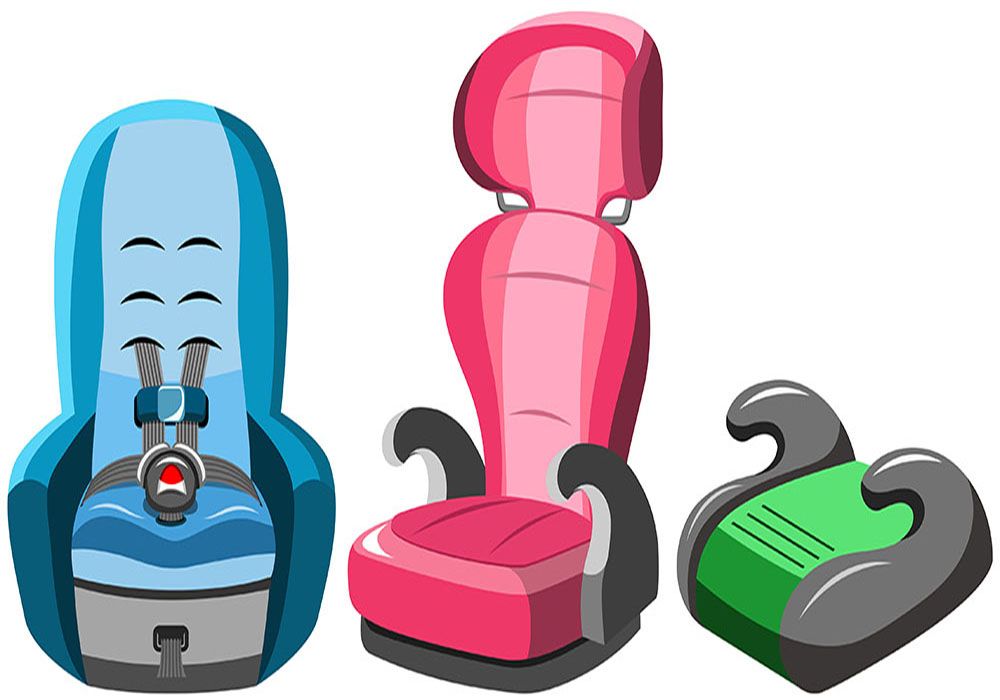
Car Seat Types & Ratings Explained: Complete Parent's Guide
Understand all car seat types from infant to booster. Learn about NHTSA ratings, FMVSS 213 standards, and how to choose between infant, convertible, all-in-one, and booster seats.
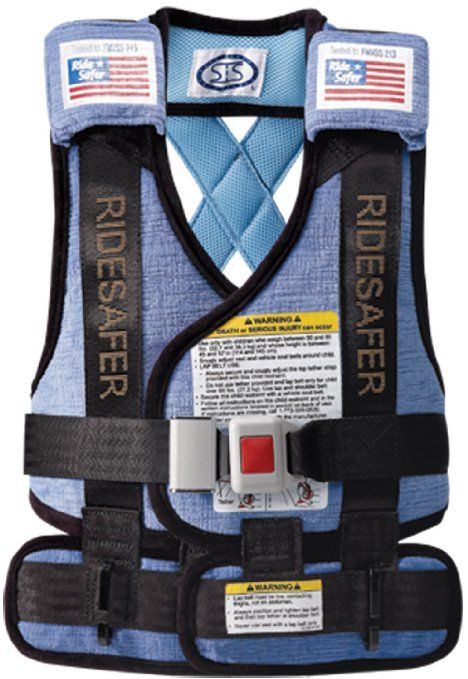
RideSafer Travel Vest Review: Portable Car Seat Alternative
In-depth RideSafer travel vest review. We analyze this FMVSS 213-certified portable restraint for travel, taxis, and carpooling with safety ratings and comparison.
Car Seat Expiration: Why It Matters & How to Check Dates
Learn why car seats expire and how to check expiration dates. Understand material degradation, safety standard updates, and when to replace your child's car seat.