
Affiliate Disclosure:Kid Sitting Safe is reader-supported. When you buy through links on our site, we may earn an affiliate commission at no additional cost to you. This does not influence our reviews or recommendations — we only recommend products we genuinely believe in.
Quick Picks
Babywearing offers hands-free convenience while keeping your little one close and comforted. With options ranging from simple wraps to feature-packed soft-structured carriers, finding the right carrier depends on your baby’s age, your lifestyle, and comfort preferences.
This guide reviews the best baby carriers available in 2026 across all styles and price points, helping you navigate the overwhelming number of choices with confidence.
Quick Comparison: Top Baby Carriers
| Carrier | Style | Rating | Value | Best For |
|---|---|---|---|---|
| Ergobaby Omni Classic | SSC | 4.7/5 | Mid-Range | All-position versatility |
| Baby Tula Explore | SSC | 4.6/5 | Mid-Range | Premium style & support |
| Lillebaby Complete | SSC | 4.5/5 | Mid-Range | Value & features |
| Solly Baby Wrap | Wrap | 4.6/5 | Budget | Newborns & hot climates |
Ratings are our editorial assessment, weighing published specs, manufacturer documentation and independent reviewer consensus. We don’t test products ourselves.
Carrier Types Explained
Before you spend a penny, it helps to know what you’re choosing between. Each carrier style has genuine strengths, and real limitations nobody mentions on the product page.
Wraps
Long fabric pieces that tie around your body to create a custom carrier. Wraps typically range from 4 to 6 meters in length and come in stretchy (jersey/modal) or woven (non-stretch) fabrics.
Best for: Newborns, custom fit, hot weather, travel Learning curve: Moderate (tying techniques) Weight range: Birth to 20-35 lbs (depending on fabric)
Pros:
- Infinitely adjustable for perfect fit on any body type
- Distributes weight evenly across shoulders and back
- One-size-fits-all design works for multiple caregivers
- Typically most affordable option
- Provides closest contact for newborn bonding
Cons:
- Requires learning proper tying techniques
- Can feel intimidating for first-time users
- Fabric may drag on ground while tying in public spaces
- Stretchy wraps lose support as babies get heavier (around 15-20 lbs)
Fabric considerations: Stretchy wraps (like Solly Baby) work beautifully for newborns but lack support for heavier babies. Woven wraps provide support across the entire weight range but require more practice to master.
Soft-Structured Carriers (SSCs)
Buckle-on carriers with padded straps and structured panels. SSCs represent the most popular category because they balance ease of use with comfort and support.
Best for: Quick on/off, heavier babies, long wearing sessions Learning curve: Low Weight range: 7-45 lbs (depending on model)
Pros:
- Quick to put on once adjusted to your body
- Excellent support for toddlers and long wearing sessions
- Padded waist belts distribute weight to hips rather than shoulders
- Multiple carrying positions (depending on model)
- Partner-friendly with buckle adjustments
Cons:
- Higher price point than wraps
- Less compact for travel
- May require infant insert for newborns (though newer models eliminate this)
- Single-size panels may not fit all babies optimally
Panel considerations: Look for adjustable panel width to accommodate your baby’s growth. Carriers with narrow panel settings work better for newborns, while wider settings provide proper leg support for toddlers.
Ring Slings
Short fabric pieces (approximately 2 meters) threaded through two metal or nylon rings for quick adjustment.
Best for: Quick ups/downs, breastfeeding, compact travel Learning curve: Low to moderate Weight range: Birth to 25-35 lbs
Pros:
- Fastest carrier to put on and take off
- Extremely compact - fits in purse or diaper bag
- Excellent for breastfeeding discreetly
- Beautiful fabric options for style-conscious parents
- Works from birth through toddlerhood
Cons:
- Weight rests on one shoulder (can cause discomfort during extended wear)
- Not ideal for long wearing sessions or heavy toddlers
- Requires finding the right tightening technique
- Learning curve for achieving proper seat depth
Fabric choices: Linen blends provide breathability for summer, while cotton blends offer softness and stretch. Woven fabrics provide better support than jersey knits.
Meh Dais and Onbuhimos
These traditional Asian-inspired carriers bridge the gap between wraps and SSCs, featuring rectangular panels with long straps that tie around the body.
Meh Dai: Wrap-style straps with a structured panel. Waist ties plus shoulder straps provide customizable support.
Onbuhimo: Panel carrier without a waist belt, designed for back carrying. Weight distributes across shoulders and connects under baby’s bottom. Ideal for pregnant parents or those with hip/waist sensitivities.
Best for: Parents who want wrap-like adjustability with more structure, back carrying enthusiasts, pregnancy babywearing Learning curve: Moderate Weight range: 15-45 lbs (onbuhimos typically start at sitting age)
Best Overall: Ergobaby Omni Classic
You may know this carrier as the Omni 360, its name before Ergobaby renamed it. The Amazon listing we link carries the same Ergobaby product code (BCS360) as the Omni Classic on Ergobaby’s own US store, so it’s the same carrier under its current name: 7 to 45 pounds, newborn to 48 months, four positions.
On Ergobaby’s published limits it covers newborns through toddlerhood in one carrier, which is the main reason it’s the overall pick.
Four Carrying Positions
Ergobaby’s instruction manual gives a rough age and a weight range for each position. It stresses that the ages are only a general guide, so go by the weights and your baby’s head and neck control.
- Front facing inward (from 7 lbs and 20 inches): The default position for newborns through toddlerhood, up to 45 lbs.
- Front facing outward (around 5 months, 14 to about 30 lbs): Lets curious babies look around. Note the lower top weight than the other positions.
- Hip carry (around 6 months, 17.2 to 45 lbs): Sits baby on your side so they can see out while you keep a hand free.
- Back carry (around 6 months, 17.2 to 45 lbs): Carries baby on your back once they’re big enough, keeping your front free.
Key Features
- Lumbar support waistband: The structured waist belt features substantial padding that distributes your baby’s weight to your hips and core rather than your shoulders and upper back. This design significantly reduces strain during extended wearing sessions.
- Crossable straps: Wear backpack-style or crossed across your back for different weight distribution preferences. Crossed straps work particularly well for petite frames and broader shoulders.
- Newborn-ready: Ergobaby says a newborn can ride in it from 7 pounds and 20 inches tall, front carry facing in, and it doesn’t list a separate infant insert. The seat adjusts to its narrowest setting and the panel height reduces for tiny babies.
- Adjustable seat: The panel width adjusts as your baby grows, ensuring proper ergonomic positioning from newborn through toddler years. This eliminates the need to purchase multiple carriers as your child develops.
Fit and Safety Points
Ergobaby describes dual-lock buckles to keep baby secure, a 3-way adjustable head and neck support, and a bucket seat designed to hold the “M-shape” hip position. The straps can be worn cross-back or H-back. Ergobaby also says the International Hip Dysplasia Institute has assessed its carriers as hip-healthy.
The forward-facing position is debated in some babywearing communities, so if you use it, check that your baby’s knees stay supported and their airway stays clear.
Considerations
It’s bulkier than minimalist carriers, so don’t expect it to disappear into a diaper bag. And all those adjustment points take some learning before they’re quick to use. Budget-conscious families should note that while the mid-range price point is reasonable for the feature set, it represents a significant investment compared to basic wraps.
Best Premium: Baby Tula Explore
Tula carriers are known for their prints as much as their fit, which draws parents who want a carrier that doubles as something they’d choose to wear.
What Sets Tula Apart
Premium Materials:
- High-quality canvas fabrics that soften with use while maintaining structure
- Soft, breathable lining against baby’s skin that wicks moisture effectively
- Beautiful limited-edition prints designed by artists, making the carrier a fashion statement
- Durable construction that maintains appearance through years of use and multiple children
Ergonomic Design:
- Three width settings for baby’s legs accommodate newborns, infants, and toddlers with precise fit
- Padded shoulder straps with extra cushioning in high-pressure areas
- Contoured waist belt that hugs your natural waist curve rather than riding up
- Excellent support for toddlers up to 45 pounds
Style as Function
Tula’s collaboration with artists and designers produces prints that parents actually want to wear. The Coast collection features muted, sophisticated patterns. For parents who view babywearing as part of their daily wardrobe rather than purely utilitarian gear, Tula delivers aesthetic satisfaction alongside ergonomic performance.
Investment Considerations
At the premium end of the soft-structured carrier market, the Tula Explore commands a price that reflects its canvas build and the brand’s design work. Pairing it with a cheaper backup carrier is a sensible way to spread the cost.
Best Value: Lillebaby Complete All Seasons
The Lillebaby Complete offers premium features at a mid-range price point, making it the clear choice for value-conscious parents who refuse to sacrifice functionality.
Six Position Versatility
- Front facing inward (narrow seat): For newborns from 7 pounds
- Front facing inward (wide seat): For older babies and toddlers
- Front facing outward: Allows exploration while maintaining support
- Hip carry: Asymmetrical carrying for variety
- Back carry: Optimal weight distribution for heavy toddlers
- Center front fetal position: Unique tucked position for tiny newborns
The fetal position deserves special mention: it lets the smallest newborns, from Lillebaby’s 7-pound minimum, curl against your chest with legs tucked. For a premature or low-birth-weight baby, check with your pediatrician before using any carrier.
Temperature Control Panel
A zippered panel allows you to reveal breathable mesh for summer or cover up for warmth. The mesh panel spans the majority of the carrier’s body, providing substantial ventilation during hot weather or for naturally warm parents. The dual-layer design means you’re not sacrificing warmth on cooler days; simply zip up the panel to restore full coverage.
That makes a single carrier a year-round option, so there’s no need for separate summer and winter carriers.
Additional Features
- Lumbar support panel: A removable pad adds extra lower back support when carrying heavier babies or during extended sessions
- Seat extension: Adds height to the panel for longer torsos and older babies
- Two-way adjustable straps: Slide adjusters on both shoulder straps and waist belt allow precise fit
- Built-in hood: Provides sun protection and privacy for breastfeeding without requiring a separate accessory
Value Proposition
For the price, the Lillebaby Complete covers six positions, more than either carrier above.
Expect a slightly steeper learning curve than simpler carriers due to the numerous adjustment options, but Lillebaby publishes video tutorials that walk through each position.
Best Wrap: Solly Baby Wrap
For newborn snuggles and hot weather, nothing beats a lightweight wrap that provides the closest contact possible while remaining breathable and comfortable.
Why Solly Suits Newborns
Ultra-Lightweight: The modal fabric is breathable and cool against your skin, making it ideal for summer babywearing or naturally warm parents. Modal, a semi-synthetic fabric made from beech tree pulp, combines the softness of cotton with superior moisture-wicking properties. The wrap itself is light, a single layer of modal.
Newborn Perfect: Wraps mold to tiny bodies better than structured carriers, providing the womb-like snugness that soothes fussy newborns. The fabric’s slight stretch accommodates your baby’s natural positioning without requiring the precise adjustments demanded by woven wraps.
Compact: Fits in a diaper bag for travel, making it the ideal backup carrier for parents who primarily use structured carriers but want a lightweight option for quick errands or travel.
Learning Curve
Wrapping takes practice. Early tries often end up too loose or twisted, and it gets quicker with repetition.
Solly publishes an instruction guide and video tutorials for the carries.
Practical Considerations
Stretchy fabric gives less support as a baby gets heavier, and the stretch that suits a newborn becomes a liability with an older baby. Plan to transition to a structured carrier or woven wrap as their baby grows.
The light fabric, while perfect for warm weather, provides minimal warmth in cold conditions. Winter babywearing requires layering both parent and baby appropriately since the single layer of fabric offers little insulation.
Wrap Wearing Tips
Achieving optimal tightness: The wrap should feel snug enough that you could remove your hands and baby wouldn’t shift. New wrappers often tie too loosely, leading to sagging and poor support. Tighten the wrap more than feels intuitive - it will loosen slightly once baby’s weight settles in.
Preventing hot spots: Spread fabric across your shoulders and back evenly, ensuring no bunching or twisted sections that create pressure points. The wrap should feel like a supportive hug rather than a binding pressure.
Managing fabric length: The long tail ends can drag on the ground while wrapping. Practice at home where cleanliness isn’t a concern, or wrap while sitting to keep fabric off public floors.
Choosing the Right Carrier for Your Stage
Your baby’s developmental stage dramatically impacts which carrier type will work best. Understanding these needs helps you choose appropriately and avoid purchasing carriers that won’t suit your current situation.
Newborn (0-4 months)
Recommended: Solly Baby Wrap, Moby Wrap, or SSC with newborn settings
Why: Snug positioning supports developing spine and hips. Newborns lack the core strength to hold themselves upright, requiring external support that maintains their natural C-curve spine position. Wraps excel here because the fabric molds precisely to your baby’s body, providing customized support without gaps or pressure points.
Key considerations:
- Ensure baby’s chin stays off chest to maintain clear airways
- Look for fabrics soft enough for delicate newborn skin
- Choose carriers that don’t require infant inserts (which add bulk and can overheat)
- Prioritize carriers that allow breastfeeding without removal
Newborns often cluster feed, making carriers that facilitate nursing essential for practical daily use. Ring slings and wraps typically allow easier nursing access than structured carriers, though some SSCs include nursing-friendly features.
Temperature regulation: Newborns struggle to regulate body temperature, making breathable fabrics crucial. The close contact of babywearing already generates significant warmth - adding heavy fabrics can cause overheating. Choose lightweight materials and monitor your baby’s neck temperature regularly.
Infant (4-12 months)
Recommended: Ergobaby Omni Classic, Baby Tula Explore, Lillebaby Complete
Why: More structured support as baby gains head control and core strength. Infants at this stage typically weigh 12-25 pounds, entering the weight range where structured carriers provide superior comfort for parents during extended wearing sessions.
Developmental milestones that affect carrier choice:
- Rolling (4-6 months): Baby has sufficient neck control for varied positions
- Sitting (6-8 months): Enables back carrying, the most comfortable position for heavy babies
- Cruising (9-12 months): Baby may resist forward-facing inward position, preferring outward-facing or hip carry for better environmental engagement
The infant stage involves the most frequent carrier use for many families. Babies are too heavy to hold comfortably for extended periods but not yet walking, making babywearing essential for getting things done while keeping baby content.
Social considerations: Infants become increasingly alert and social, often preferring carrying positions that allow them to observe their surroundings. Hip carries and forward-facing positions work well here, though ensure forward-facing time remains limited to protect developing spines.
Toddler (12+ months)
Recommended: Any quality SSC with toddler settings, back carry positions
Why: Weight distribution matters more as babies grow heavier. A 25-30 pound toddler creates substantial strain on your body without proper ergonomic support. Back carrying becomes essential for comfortable extended wearing sessions, as it positions weight over your center of gravity rather than pulling forward on your shoulders.
Toddler babywearing benefits:
- Allows toddlers to rest during outings without requiring a stroller (essential when travelling with kids)
- Provides security in crowded environments like airports or festivals
- Enables hiking and outdoor activities that would be impossible with a stroller
- Soothes upset toddlers who need connection and comfort
Carrier requirements for toddlers:
- Wide, adjustable panel to support lengthening legs and torso
- Substantial padding on shoulders and waist belt
- High weight limit (35-45 pounds)
- Durable construction that withstands years of use
- Easy-to-clean fabrics (toddlers are messy)
Many parents discontinue babywearing during the toddler stage because their carrier becomes uncomfortable as their child’s weight increases. Investing in a high-quality carrier designed for toddlers allows you to continue babywearing through age 3-4, providing flexibility and comfort that makes difficult stages more manageable.
Advanced Carrying Positions and Techniques
Back Carrying Mastery
Back carrying transforms babywearing comfort once your baby has reliable head and neck control (typically around 6 months). Weight positioned on your back rather than front aligns with your spine’s natural curvature, dramatically reducing strain.
Methods for getting baby on your back:
Superman toss: Hold baby against your chest, lean forward while supporting baby, and slide/toss baby around to your back in one smooth motion. This technique works well once you’ve practiced but can feel intimidating initially.
Hip scoot: Start with baby on your hip, then scoot them around to your back while leaning slightly forward. This slower method provides more control for nervous parents.
Over-the-shoulder: Lift baby over your shoulder onto your back, supporting them throughout the transition. This method works well with wraps and meh dais but can be awkward with structured carriers.
Use a couch or bed: Sit baby on an elevated surface behind you, back up to them, help them climb on, then stand up while securing the carrier. This method eliminates the need for mid-air transitions and works well for beginners.
Hip Carrying Benefits
Hip carrying positions baby on your side rather than centered on your chest or back. This asymmetrical position offers advantages for specific situations:
- Easier to see baby’s face and maintain eye contact
- Allows baby to look around while remaining secure
- Provides easier access to your front for tasks like cooking or desk work
- Changes weight distribution, giving your shoulders and back variety
Most soft-structured carriers accommodate hip carrying, though ring slings excel at this position due to their natural asymmetry. Alternate hips regularly to prevent developing uneven strength or posture issues.
Tandem Wearing
Wearing two children simultaneously requires specific techniques and appropriate carriers. This advanced skill proves valuable for parents of twins or closely-spaced siblings.
Safe tandem wearing configurations:
- Older child on back in SSC, younger baby on front in wrap
- Both children on front in separate carriers (twins)
- Toddler on back in SSC, newborn in ring sling on front
Safety considerations multiply with two children, requiring vigilant attention to both children’s positioning, airway clearance, and comfort. Start tandem wearing at home until comfortable with the weight distribution and mechanics.
Safety Considerations
TICKS Guidelines
All carriers should support the five critical safety elements:
-
Tight: Snug against your body with no slumping or sagging. You should be able to remove your hands without baby shifting position. Loose carriers allow baby to fold into unsafe positions that restrict breathing.
-
In view at all times: Face visible without moving fabric. This allows constant monitoring of baby’s breathing and color. Deep sleep can cause babies’ heads to slump into unsafe positions if you can’t see them.
-
Close enough to kiss: Top of head reachable with a simple downward kiss. This positioning ensures baby is high enough on your chest for safe airway positioning and allows you to monitor breathing.
-
Keep chin off chest: Airway clear with space under chin. Chin-to-chest positioning can restrict breathing, especially in young infants. The UK Sling Consortium’s TICKS guidance asks for at least a finger’s width of space between chin and chest.
-
Supported back: Natural position with proper spine curve. Babies’ spines naturally curve in a C-shape during early months. Carriers should support this natural curve rather than forcing straight positioning.
Hip Health
Ensure baby’s legs form an “M” position with knees above hips to support healthy hip development. This position, called the “spread-squat position” or “M-position,” positions the hip joint optimally within the socket, promoting proper development.
Red flags for poor hip positioning:
- Legs dangling straight down with no knee bend
- Knees lower than hips
- Narrow base that doesn’t support thighs
- Excessive frog-leg positioning with knees too high
The International Hip Dysplasia Institute recognises some carriers as hip-healthy. That recognition isn’t mandatory for safe use, but it provides additional assurance that the carrier’s design promotes proper hip development.
Age and Weight Limits
Respect manufacturer guidelines for age and weight limits. These limits reflect both safety testing results and the carrier’s physical capabilities. Using a carrier outside its specified range may:
- Compromise structural integrity, leading to failures
- Position baby unsafely for their developmental stage
- Create excessive strain for the parent
- Void warranty coverage
Signs Your Baby Needs a Break
Even with perfect positioning, babies need breaks from carriers. Watch for:
- Fussing or crying (though some babies fuss when tired and calm once held)
- Sweating or overheating (check baby’s neck temperature)
- Red marks on legs or body (indicates too-tight positioning)
- Restlessness or squirming (may indicate discomfort or need for position change)
- Feeding cues (baby may be hungry)
Toddlers typically need breaks more frequently than infants because they want to practice walking and exploring independently.
Material and Fabric Considerations
Breathability and Temperature
Fabric choice dramatically impacts comfort for both parent and baby, especially during extended wearing sessions or in warm climates.
Cool weather fabrics:
- Cotton canvas: Provides structure and warmth
- Cotton blends: Balance breathability with comfort
- Thicker wraps: Offer insulation and support
Warm weather fabrics:
- Linen: Extremely breathable but wrinkles easily
- Modal/bamboo: Soft, lightweight, and moisture-wicking
- Mesh panels: Allow airflow but provide less support
- Lightweight cotton: Breathable without excessive bulk
Year-round fabrics:
- Cotton/linen blends: Balance breathability with structure
- Technical fabrics: Engineered for moisture management
- Carriers with zip panels: Allow ventilation adjustment
Durability and Care
Carrier fabrics endure significant stress from repeated use, baby fluids, and washing. Material quality affects longevity.
Machine-washable vs. hand-wash only: Most modern carriers withstand machine washing on gentle cycles, but delicate fabrics or carriers with leather components require hand washing. Check manufacturer guidelines before washing to avoid voiding warranties.
Stain resistance: Babies are messy. Carriers made from darker colors or patterned fabrics hide stains better than light solids. Some carriers feature treated fabrics that resist stains, though these treatments may affect breathability.
Fabric softening: Canvas carriers often feel stiff initially but soften with use and washing. Woven wraps may require “breaking in” through wearing and washing to reach optimal softness and moldability.
Budgeting for Baby Carriers
Do You Need Multiple Carriers?
Many families benefit from owning different carrier types for different situations:
Ideal carrier combination:
- Primary SSC for daily use and longer wearing sessions
- Lightweight wrap or ring sling for hot weather and quick ups/downs
- Backup carrier kept in car for unexpected needs
However, budget constraints may require choosing a single versatile carrier. The Ergobaby Omni Classic or Lillebaby Complete serve well as only-carrier solutions due to their newborn-through-toddler capability.
Cost-Saving Strategies
Buy used: Baby carriers maintain functionality even after years of use. Purchase from consenting parents on marketplace groups, consignment shops, or resale platforms. Inspect carefully for:
- Intact stitching at stress points
- Functioning buckles that click firmly
- No worn webbing that appears frayed
- Clean fabric without stains or odors
Borrow first: Try friends’ carriers before purchasing to determine which style suits your body and preferences.
Start minimal: Begin with an affordable wrap like the Moby to determine if you’ll babywear regularly before investing in premium carriers. For more savings tips, see our baby gear budgeting guide.
Wait for sales: Major retailers run carrier sales during Black Friday, Prime Day, and baby gear events.
Consider rental: Some baby gear rental companies offer carrier rentals, allowing you to try expensive carriers before committing to purchase.
Special Circumstances and Adaptations
Babywearing with Physical Limitations
Parents with back pain, hip issues, or other physical limitations can still babywear with appropriate adaptations.
For back pain:
- Prioritize carriers with excellent lumbar support
- Use back carrying positions to align weight optimally
- Limit wearing session duration
- Strengthen core muscles to support babywearing
- Consider onbuhimos that distribute weight across shoulders rather than waist
For hip/waist sensitivities:
- Onbuhimos eliminate waist belt pressure
- Meh dais allow customized waist positioning
- Ring slings distribute weight across upper body
For shoulder issues:
- Waist-dominant carriers minimize shoulder strain
- Avoid ring slings that place all weight on one shoulder
- Use carriers with wide, padded shoulder straps
During pregnancy:
- Back carrying keeps weight behind your center of gravity
- Onbuhimos avoid pressure on growing belly
- Limit wearing duration as pregnancy progresses
- Consult healthcare provider about safe babywearing
Breastfeeding in Carriers
Many carriers facilitate discreet breastfeeding without removal, though some designs work better than others.
Best carrier types for nursing:
- Ring slings: Easily loosen fabric to lower baby to breast height
- Stretchy wraps: Fabric stretches to accommodate nursing position
- SSCs with good adjustability: Allow loosening straps to lower baby
Nursing techniques:
- Loosen carrier slightly to lower baby to breast height
- Maintain TICKS positioning even while nursing
- Use carrier hood or nursing cover for privacy if desired
- Ensure baby’s airway remains clear throughout feeding
- Re-tighten carrier after nursing completes
Babywearing Multiples
Twins or closely-spaced siblings present unique babywearing challenges requiring creative solutions.
Strategies for twins:
- Twin carrier designs (like TwinGo) built specifically for wearing two babies front-facing
- Two separate carriers worn simultaneously
- Alternate wearing: one baby in carrier, one in stroller or travel system
- Tag-team with partner: each wear one baby
Wearing toddler and infant:
- Toddler on back in SSC, infant on front in wrap (most stable configuration)
- Both on front if toddler is small enough
- Alternate depending on who needs carrying most urgently
Environmental and Ethical Considerations
Sustainable Carrier Options
Eco-conscious parents increasingly consider environmental impact when selecting baby gear.
Sustainable materials:
- Organic cotton (grown without pesticides)
- Linen (requires minimal water and processing)
- Recycled fabrics (repurposed from existing textiles)
- Bamboo/modal (though processing methods vary in sustainability)
Ethical manufacturing:
- Fair labor practices in production facilities
- Transparent supply chains
- Small-batch production reducing waste
- Local manufacturing reducing transportation emissions
Longevity considerations: The most sustainable carrier is one that lasts through multiple children and maintains enough quality to resell or pass along when you’re finished. Investing in higher-quality carriers that withstand years of use typically produces less environmental impact than purchasing multiple cheaper carriers that wear out quickly.
Secondhand Market
Baby carriers have an active secondhand market that benefits both budgets and the environment.
Purchasing secondhand reduces manufacturing demand and keeps functional products in use rather than landfills. The carrier resale market includes:
- Facebook marketplace groups dedicated to specific brands
- General buy/sell/trade groups for baby gear
- Consignment shops specializing in baby items
- Online platforms like Poshmark, Mercari, and ThreadUp
Regional Considerations
Hot Climate Babywearing
High temperatures and humidity require specific carrier adaptations for safety and comfort.
Essential features for hot climates:
- Mesh panels or all-mesh construction
- Lightweight fabrics (linen, modal, lightweight cotton)
- Minimal layers between parent and baby
- Light colors that reflect rather than absorb heat
Hot weather safety:
- Limit wearing duration during peak heat
- Monitor baby’s temperature frequently (check neck)
- Stay hydrated for both parent and baby
- Seek shade or air conditioning for breaks
- Dress baby minimally (diaper and light onesie may suffice)
The Solly Baby Wrap excels in hot climates due to its single layer of breathable modal fabric. Among structured carriers, pick a mesh version for airflow; Ergobaby sells the Omni Classic in mesh as well as cotton.
Cold Climate Babywearing
Winter babywearing requires layering strategies that maintain warmth without overheating.
Layering principles:
- Layer parent adequately since baby’s body heat warms you both
- Baby wears one fewer layer than they would sitting in a stroller
- Cover baby’s extremities (hands, feet, head) that extend from carrier
- Use carrier covers or coats designed for babywearing rather than heavy coats on baby
- Avoid bulky clothing under carriers that creates gaps and poor positioning
Winter-appropriate carriers:
- Carriers with more substantial fabrics provide better insulation
- Carrier covers attach to carriers creating a pocket of warmth
- Babywearing coats feature panels that expand to encompass baby
Never place baby in a carrier while wearing a bulky coat, as the bulk compromises proper positioning and makes it difficult to achieve a tight, safe fit.
Troubleshooting Common Issues
Carrier Feels Uncomfortable
Discomfort often indicates improper fit rather than an inherently uncomfortable carrier.
Troubleshooting steps:
- Re-adjust waist belt to sit on hips rather than waist
- Tighten shoulder straps more than feels intuitive
- Ensure baby sits high enough (close enough to kiss)
- Check for twisted straps creating pressure points
- Try crossing shoulder straps if available
- Add padding to areas experiencing hot spots
If discomfort persists after proper adjustment, the carrier may not suit your body type. Torso length, shoulder width, and hip shape all affect how carriers fit. What works perfectly for one person may never feel quite right for another.
Baby Fights the Carrier
Some babies resist carriers initially, often due to unfamiliarity or poor timing.
Strategies for reluctant babies:
- Start with short sessions (5-10 minutes) and gradually increase duration
- Use carriers during baby’s happy times rather than fussy periods initially
- Move while carrying - walking, bouncing, swaying all soothe babies
- Try different positions (some babies prefer facing out, others love hip carries)
- Ensure proper temperature (overheating causes resistance)
- Practice when baby isn’t hungry or tired
- Have patient partner wear baby to demonstrate it’s safe
Most babies who initially resist carriers eventually accept them once they experience the comfort and security of being close to their parent.
Marks on Baby’s Legs
Light marks on baby’s legs after carrier use are normal and fade quickly, similar to sock marks. However, deep red marks or indentations indicate too-tight positioning requiring adjustment.
Solutions:
- Widen panel setting if available
- Ensure leg holes aren’t cinched too tightly
- Check that baby’s knees bend naturally rather than forcing position
- Adjust height so leg holes sit at baby’s knee crease rather than mid-thigh
- Remove carrier every 1-2 hours to allow circulation
Further Reading
- Best Baby Swings 2026: Soothing Motion for Fussy Babies
- Where Is the Best Place to Buy Strollers Online? 2026 Guide
- Best Umbrella Strollers: Top Single & Double Picks for 2026
Product Care and Maintenance
Cleaning Guidelines
Regular cleaning maintains hygiene and prolongs carrier life, but over-washing can damage fabrics and hardware.
**General washing recommendations
Our Top Picks
Ergobaby Omni Classic Baby Carrier
Best overallMost versatile carrier with all-position support from birth.
What We Like
- Four carrying positions (front facing in, front facing out, back and hip)
- Padded waist belt with lumbar support
- Newborn-ready from 7 lbs and 20 inches, carried facing in
- Straps wear cross-back or H-back
What We Don't
- Higher price point
- Previously sold as the Omni 360, so older reviews and listings use that name
Baby Tula Explore
Best premiumPremium choice for style-conscious parents with great support.
What We Like
- Premium fabrics with excellent quality
- Three width settings for ergonomic fit
- Excellent toddler support up to 45 lbs
- Beautiful pattern designs available
What We Don't
- Premium pricing for a soft structured carrier
- Some models don't include forward-facing option without infant insert
Lillebaby Complete All Seasons
Best valueBest value with most position options and temperature control.
What We Like
- Six versatile carrying positions from newborn to toddler
- Removable temperature control mesh panel for all seasons
- Excellent lumbar support reduces back strain
- Great value with premium features
What We Don't
- Bulkier design than minimal soft-structured carriers
- Initial learning curve to master all six positions
Solly Baby Wrap
Best wrap for newbornsBest wrap for newborns and hot climates.
What We Like
- Ultra-lightweight and breathable modal fabric
- Ideal for newborns with proper support
- Compact and portable for travel
- Multiple carrying positions possible
What We Don't
- Requires practice to tie correctly
- Not suitable for larger toddlers
Sources & Research
Continue Reading
Explore more baby gear content or browse our other categories.
Frequently Asked Questions
- What type of baby carrier is best for newborns?
- For newborns, wraps and ring slings are often preferred because they provide a snug, womb-like environment and proper support for baby's developing spine and hips. The fabric wraps around both baby and wearer, distributing weight evenly and allowing custom positioning. Soft-structured carriers (SSCs) can work for newborns if they offer adjustable settings for small babies or include infant inserts. The Ergobaby Omni Classic (from 7 pounds and 20 inches) and Baby Tula Free-to-Grow work from newborn without inserts. However, stretchy wraps like the Solly Baby or Moby mold more closely to a small baby, which suits the newborn phase (0-4 months). For premature or low-birth-weight babies, consult your pediatrician before using any carrier.
- When can I start using a soft-structured carrier?
- Most soft-structured carriers (SSCs) can be used from birth if they either: 1) Include an infant insert for proper positioning of newborns (usually 7-12 lbs), or 2) Adjust narrow enough to support a newborn's body properly. Some modern SSCs like the Ergobaby Omni Classic, Baby Tula Free-to-Grow, and Lillebaby Complete work from 7 pounds without an insert due to adjustable width and height settings. Always check the minimum weight limit (typically 7-8 pounds) and ensure your baby meets the requirement. The carrier must support baby in a natural M-position with knees at or above hip level. For babies under 7 pounds or premature infants, wait until they reach the minimum weight and consult your pediatrician.
- How long can I comfortably wear my baby in a carrier?
- Comfort duration depends on the carrier type, your baby's weight, and your physical conditioning. Wraps and well-fitted SSCs with lumbar support distribute weight across your hips and shoulders, reducing fatigue. As your baby grows (15+ pounds), you may need to limit sessions or switch positions. Take breaks every 1-2 hours to prevent muscle fatigue. Back carrying positions allow longer comfortable wearing for toddlers (20+ pounds) because your spine supports the weight more efficiently than front carrying. Listen to your body - discomfort means it's time for a break. Building up wearing time gradually helps your body adapt.
- What is the difference between a wrap and a soft-structured carrier?
- Wraps are long pieces of fabric (stretchy or woven) that you tie around your body to create a custom carrier. They offer infinite adjustability, work excellently for newborns, pack small for travel, and mold to both baby and wearer. However, they have a learning curve for tying and can become less supportive as babies grow beyond 15-20 pounds. Soft-structured carriers (SSCs) have padded shoulder straps, a waistband, and a structured panel for baby. They're faster to put on (buckle vs. tie), more supportive for heavier babies and toddlers, and offer features like sun hoods and storage pockets. However, they're bulkier, have fixed size ranges, and may not fit newborns as snugly. Many families start with wraps for newborns and transition to SSCs as babies grow.
- Do expensive baby carriers justify the cost?
- Premium-tier carriers offer features that justify the cost for frequent users: better ergonomics with lumbar support and padded straps, premium breathable fabrics, multiple carrying positions, greater adjustability for different wearers, and durability for multiple children. If you plan to babywear daily or carry an older baby/toddler, the comfort and support improvements pay off. Budget carriers work fine for occasional use but may lack ergonomic features that prevent back and shoulder strain during extended wearing. Mid-range options often provide good value with most essential features. Consider: how often you'll use it, your baby's weight, and whether multiple caregivers will share the carrier. For occasional use, budget options suffice; for daily babywearing, invest in quality.
Written By
Kid Sitting Safe
Our team researches car seat safety standards, crash test data, and real-world usability to help parents make the safest choice.
Related Articles

Best Baby Swings 2026: Soothing Motion for Fussy Babies
Baby swing guide for 2026. How the motion types differ, what the AAP says about safe use, and which swings to buy now that several popular models have gone.
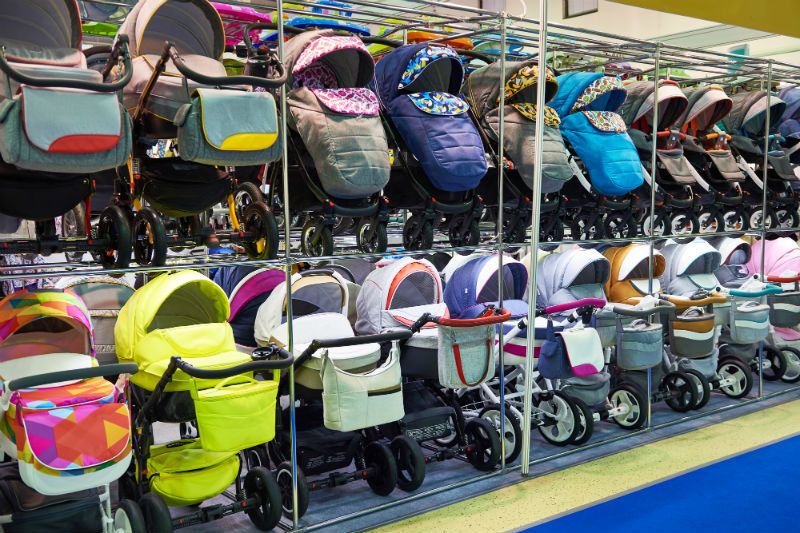
Where Is the Best Place to Buy Strollers Online? 2026 Guide
Compare the best online retailers for buying strollers on prices, return policies, selection, and customer service from Amazon, Buy Buy Baby, Target and more.